01
Smart and trainable
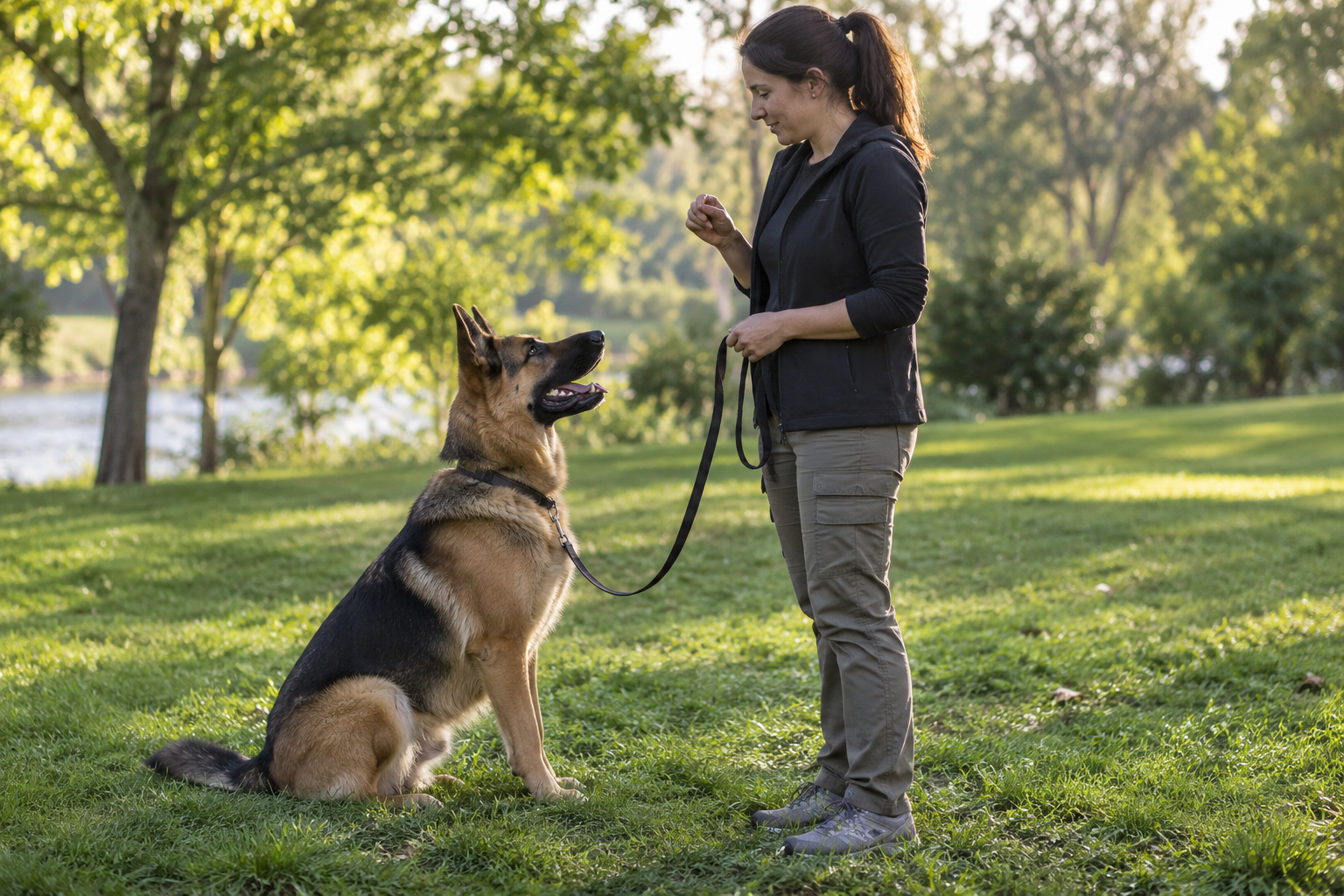
They notice patterns fast. Reward-based training, clear rules, and short daily practice sessions help that intelligence work with you.
Clear, practical guidance for understanding, training, and caring for one of the world’s most capable companion breeds.
German Shepherds were developed as versatile working dogs. They learn quickly, form strong bonds, and usually do best when their bodies and minds have a job to do.
They notice patterns fast. Reward-based training, clear rules, and short daily practice sessions help that intelligence work with you.
Many are naturally aware of strangers and changes around the home. Early, positive socialization builds calm confidence.
A walk is a start, but sniffing, obedience, games, tracking, and problem-solving bring out the breed’s best qualities.
The exact routine changes with age, health, and temperament. Consistency matters more than exhausting the dog.
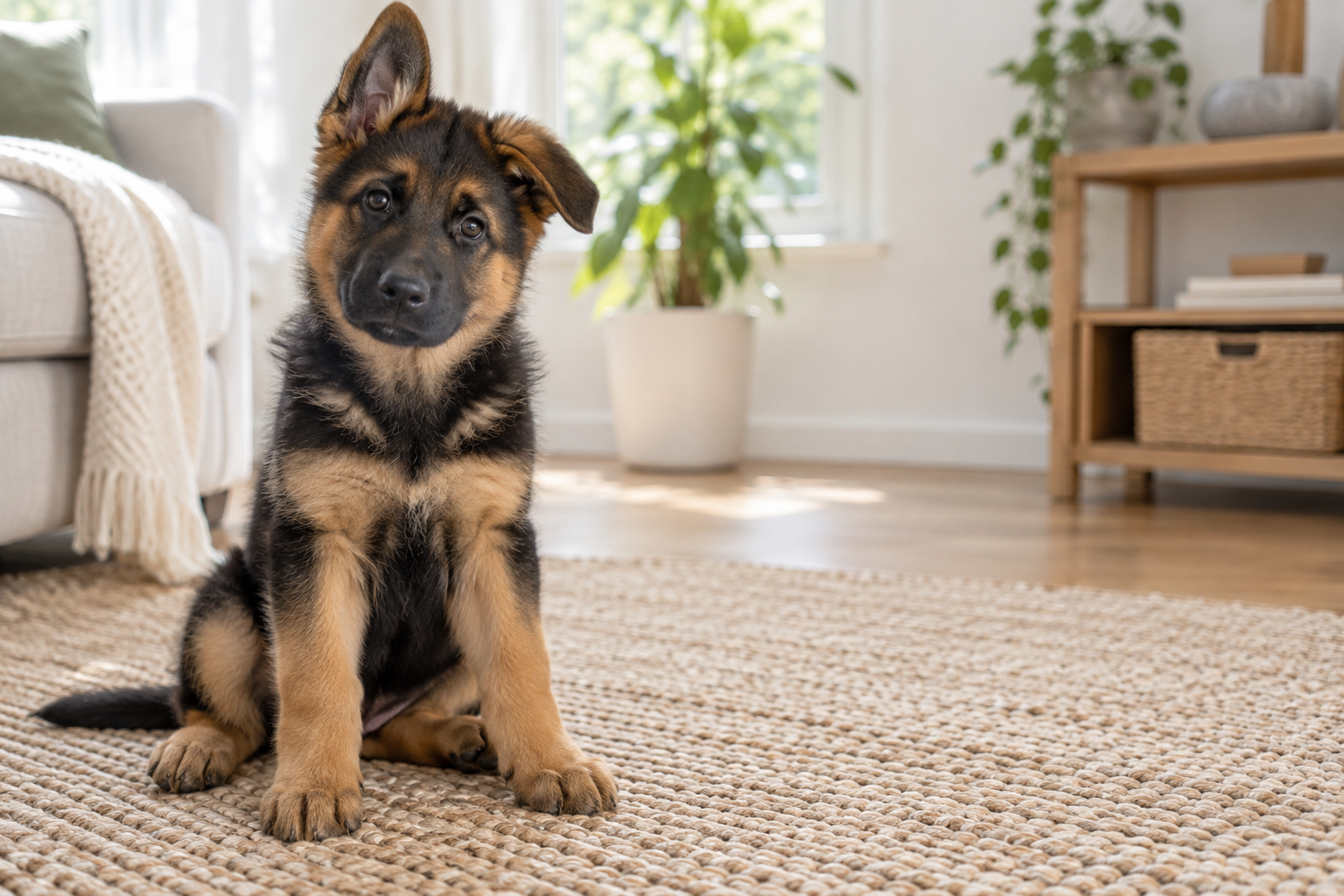
Routine veterinary care, appropriate nutrition, healthy body condition, dental care, parasite prevention, and observation at home all matter. German Shepherds can be affected by hip and elbow problems, digestive issues, allergies, and other inherited or acquired conditions.
Brush regularly and expect heavier seasonal shedding. Bathe as needed with dog-safe products, then dry the dense coat fully.
Watch for stiffness, reluctance to jump, limping, or changes in gait. Sudden or persistent changes deserve veterinary attention.
Keep scheduled exams and discuss vaccines, screening, weight, diet, and activity with your veterinarian.
They can be excellent family companions when responsibly bred or selected, well socialized, trained, exercised, and supervised around children. Individual temperament matters.
Yes. Their double coat sheds throughout the year and often more heavily during seasonal coat changes.
They can be, but the owner must be ready for daily training, substantial exercise, grooming, socialization, and a powerful adult dog. Support from a qualified trainer can make a major difference.
Look for health transparency, stable temperament, clean living conditions, and honest answers. A responsible breeder should perform appropriate health testing. A reputable rescue should discuss the dog’s known behavior and needs.